Ancient Brewing Methods That Continue to Elevate Coffee & Tea
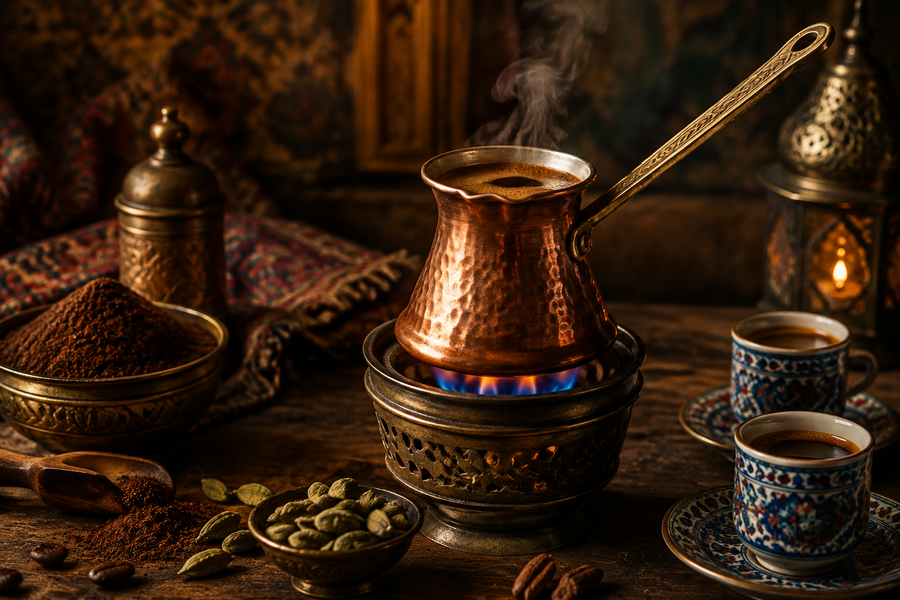
Our ever-evolving relationship with coffee and tea reflects centuries of innovation and tradition. While modern technology has revolutionized how we consume these beverages, many historical brewing practices remain relevant and revered. Let's journey through time to explore some ancient techniques still celebrated today.
Turkish Coffee: A Tradition with Deep Roots
Turkish coffee, one of the most ancient coffee brewing methods, dates back to the 15th century. This technique involves simmering finely ground coffee beans in water—often with sugar—until the mixture reaches a deliciously fragrant froth. The coffee is then poured directly into small cups, grounds and all, and savored slowly while socializing or relaxing.
The practice of brewing Turkish coffee is not just about crafting a perfect cup but also about creating an experience that brings people together. This method remains symbolic in Turkish culture and across the Middle East and Eastern Europe.
The Art of Espresso: A Modern Classic
Originating in Italy in the early 20th century, espresso is perhaps the most iconic coffee brewing method in the world. Despite its relatively short history compared to Turkish coffee, the Italian art of espresso has made a profound impact globally. Traditional espresso machines force hot water through finely-ground coffee at high pressure, creating a concentrated beverage with a rich flavor and velvety crema.
Pairing historical significance with outstanding flavor, our Italian Roast offers a taste of this cherished tradition. Its rich, bold character is perfect for crafting an authentic Italian espresso right at home.
Japanese Matcha: An Ancient Ceremony
The Japanese tea ceremony, or Chanoyu, epitomizes the country's commitment to precision, ritual, and harmony. Matcha, a powdered green tea prepared during this ceremony, involves whisking the tea in hot water with a bamboo whisk (chasen) until it becomes frothy. This practice stems from Zen Buddhism and has been embraced in modern wellness circles for its health benefits and distinct umami flavor.
With the increasing popularity of matcha lattes and desserts, this ancient brewing method continues to captivate tea lovers worldwide. The ceremony itself serves as a reminder of mindfulness and simplicity.
Conclusion
These historical brewing practices offer more than just a beverage; they provide a connection to rich cultural heritages and stories passed down through generations. Whether you're enjoying a meticulously prepared Turkish coffee, an authentic Italian espresso, or a peaceful Japanese tea ceremony, you're participating in a timeless tradition.
Embrace the history in every sip and, if you’re interested in exploring these practices further, visit Copper Kettle Coffee and Tea to discover exquisite products that capture the essence of these enduring rituals.